
When Chhattisgarh was formed in 2000, Raipur became a state capital almost overnight. Everything that follows from that, a secretariat, a high court, central universities, an airport, an AIIMS, an NIT, arrived inside two decades, and each one brought people who needed somewhere to live.
The second driver is industry. The Durg-Bhilai-Raipur corridor is one of the densest industrial belts in the country, built around steel, power and cement. Those are employers with long payrolls and stable salaries, which is the kind of demand a housing market can actually be built on.
The third is the road and rail network. Raipur sits on the Mumbai-Howrah trunk route and at the junction of NH-53 and NH-30, so goods and people move through it in every direction. Naya Raipur, the planned capital to the south-east, added a second centre of gravity and pulled development along the corridor between the two.
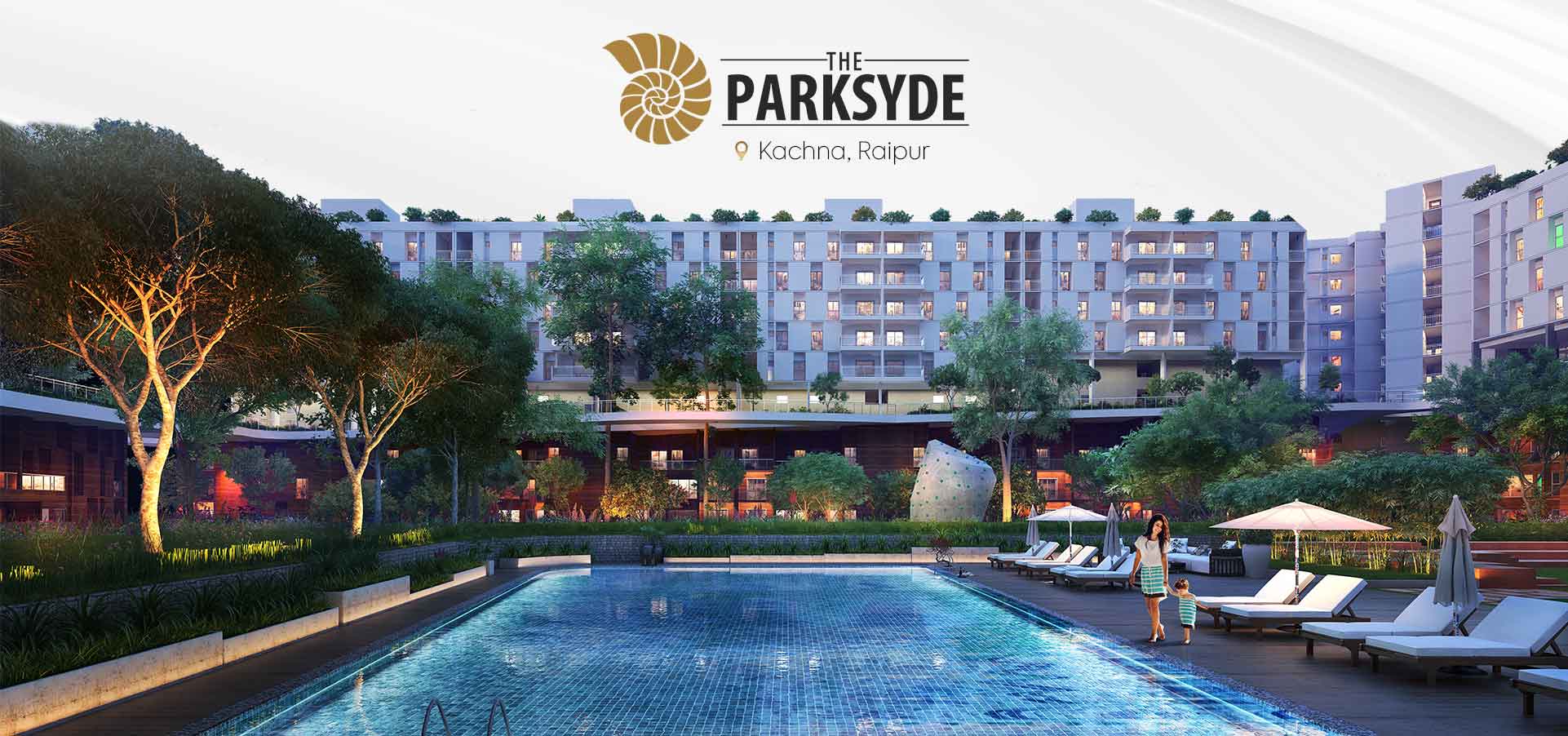
What that has meant on the ground is that the city keeps growing outward faster than the map is redrawn. Kachna is the clearest example. Fifteen years ago it was farmland on the Vidhan Sabha Road; today it carries a large share of the city's new residential development, with schools, malls and clinics that followed the houses rather than preceding them.
For a buyer, the useful lesson is about sequence. In a city growing this way, the areas worth buying into are the ones where the infrastructure has already been committed, the road widened, the sanction granted, the trunk services laid, but the premium has not yet arrived. That window is rarely more than a few years wide, and it closes quietly.
The other lesson is about patience. A market that grows this fast attracts people selling land that is not quite theirs, in layouts that are not quite sanctioned, at prices that are not quite real. Growth is not a substitute for diligence. Check the title, check the RERA number, and then enjoy the growth.